

Many students work extremely hard to score well in exams, believing that high grades alone will secure their future. While academic performance is important, focusing only on marks often leads to a hidden problem — the skills gap.
The skills gap is the difference between what employers expect and what candidates can actually do. It is one of the biggest challenges students face when transitioning from education to employment.
Where the Gap Begins
In academic environments, learning is often theory-focused. Students study concepts, memorize information, and prepare for written exams. However, workplaces operate differently. Employers need individuals who can apply knowledge in real situations, use tools efficiently, and work as part of a team.
As a result, students may graduate with strong theoretical understanding but lack:
- Hands-on technical experience
- Real-world problem-solving ability
- Communication and teamwork skills
- Familiarity with professional tools and workflows
This gap remains unnoticed during college because exams rarely test practical application at industry level.
When the Gap Becomes Visible
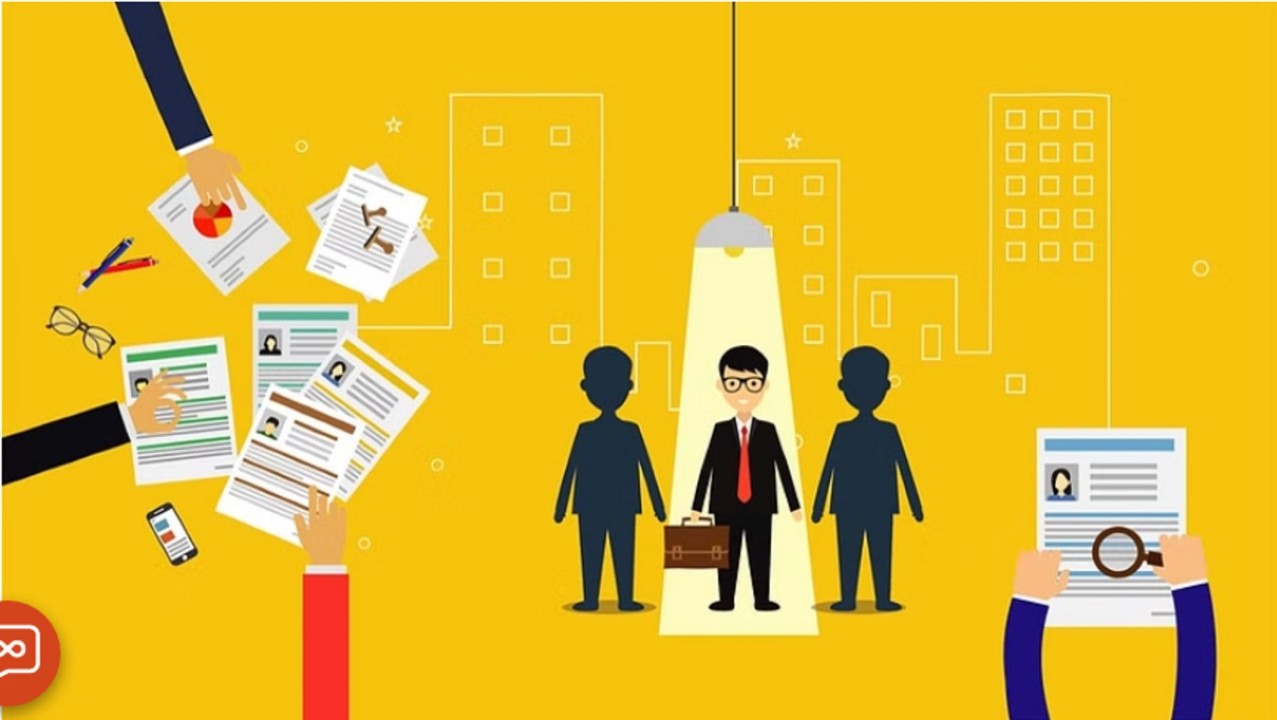
The skills gap usually becomes clear during job interviews, internships, or the first job. Candidates may struggle with practical questions, live tasks, or scenario-based discussions. Employers expect readiness for professional environments — understanding processes, collaboration, and execution.
At this stage, students realize that academic success alone does not fully prepare them for workplace expectations.
Why Practical Exposure Matters
Learning by doing is essential for career readiness. Practical experience helps students:
- Understand how theory works in real situations
- Develop confidence in using tools and technologies
- Improve communication and teamwork
- Learn how to solve unexpected problems
These abilities cannot be fully developed through textbooks alone.
How to Close the Skills Gap
Bridging the gap requires active effort beyond classroom learning. Some effective ways include:
- Working on real or personal projects
- Participating in internships or part-time roles
- Taking industry-relevant online courses
- Attending workshops, seminars, and hackathons
- Practicing collaboration through group tasks
Students who take these steps early build practical competence along with academic knowledge.
Final Thoughts
The skills gap is not about intelligence or effort — it is about exposure and application. Those who recognize this gap early and focus on developing practical skills gain a major advantage in the job market.
Grades may open doors, but skills help you succeed after you enter. Preparing for both ensures a smoother transition from education to career.
For More Information and Updates, Connect With Us
- Name: Abhishek Kumar
- Phone Number: +91-7488456170
- Email ID: teamemancipation@gmail.com
- Our Platforms:
- Digilearn Cloud
- EEPL Test
- Live Emancipation
- Follow Us on Social Media:
- Instagram – EEPL Classroom
- Facebook – EEPL Classroom