


What is Full Stack Development?
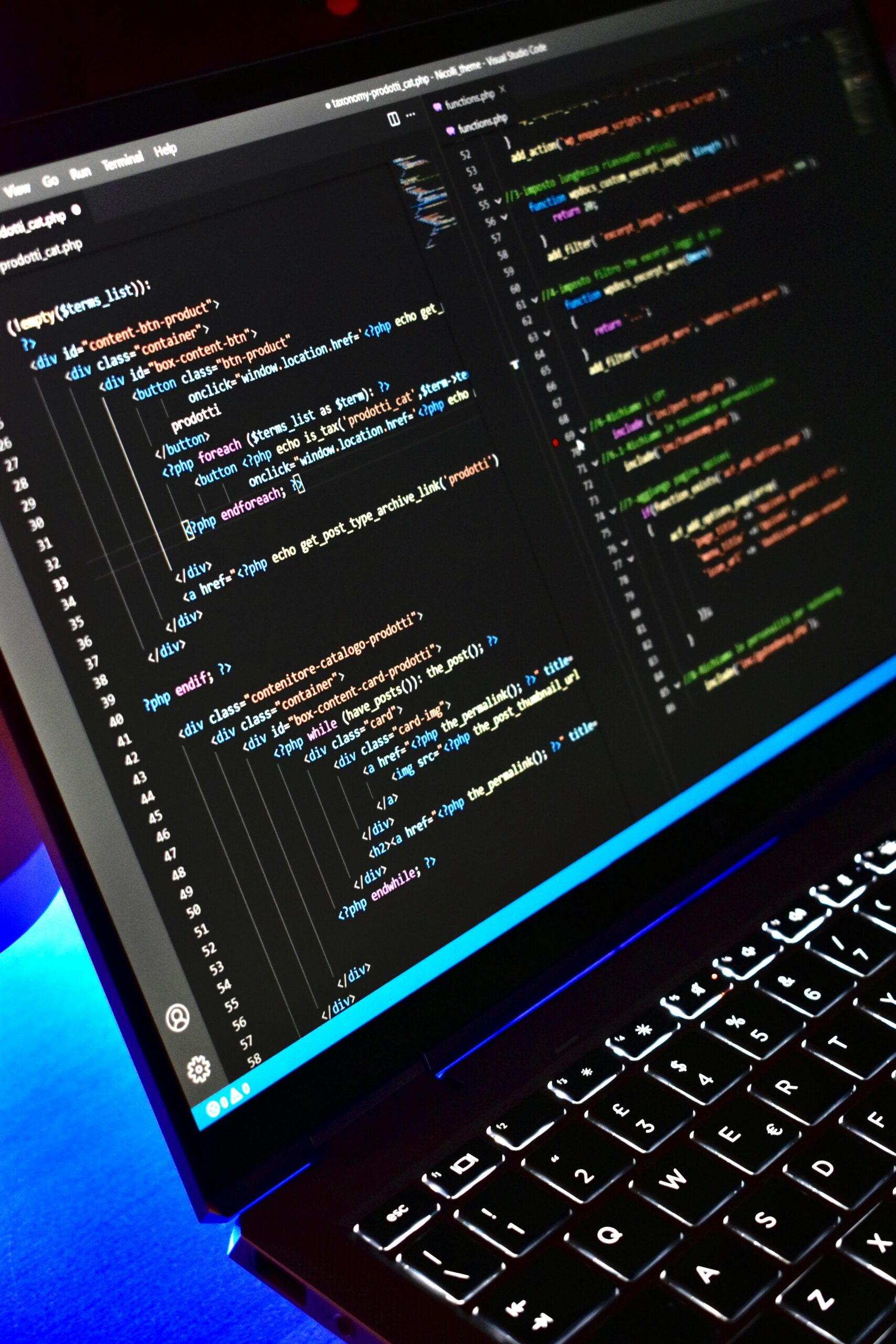
Full stack development refers to the comprehensive approach to web development that encompasses both the front-end and back-end segments of an application. A full stack developer possesses the skills and knowledge to work on both these critical components, enabling them to manage the entire development process from user interface design to server management. This versatility is essential in modern software development, as it allows for more integrated and streamlined project workflows.
The front-end, often referred to as the client-side, is where users interact with the application. This layer involves the design and implementation of everything the user experiences directly in their web browser, including layout, navigation, and visual elements. Technologies commonly employed in front-end development include HTML, CSS, and JavaScript, along with various frameworks such as React, Angular, and Vue.js. These tools help developers create dynamic and responsive user interfaces, improving overall user engagement.
Conversely, the back-end, known as the server-side, involves the logic and database interactions that occur behind the scenes. It is responsible for data storage, processing requests from the front end, and ensuring that the application functions correctly. Common back-end programming languages include Python, Ruby, Java, and PHP, while databases can be managed using systems like MySQL, PostgreSQL, or MongoDB. Back-end frameworks such as Node.js and Django are also imperative for building scalable applications.
In conclusion, full stack development integrates both front-end and back-end expertise, allowing developers to build complete web applications. By mastering these distinct yet interconnected domains, individuals can create user-friendly interfaces and robust server-side logic, ensuring a seamless experience for users. Understanding this relationship is a fundamental step for anyone looking to embark on a career in web development.
The Components of Full Stack Development
Full stack development encompasses a comprehensive range of technologies and frameworks that work together to create a fully functional web application. The two primary components of full stack development are the front-end and back-end technologies. The front-end, often referred to as the client-side, is responsible for the visual elements of a website that users interact with directly. Key technologies in this area include HTML, CSS, and JavaScript. HTML provides the basic structure of the web page, CSS is used for styling and layout, and JavaScript enables interactivity and dynamic content. Together, these technologies allow developers to craft an engaging user experience.
On the other hand, back-end development, or server-side development, focuses on the server, database, and application logic that power the front-end. Common back-end technologies include Node.js, a JavaScript runtime which enables server-side scripting, and Express, a web application framework for Node.js that simplifies server development. Databases, such as MySQL or MongoDB, are essential for data storage and retrieval, making them fundamental to back-end functionality. The interplay between these components ensures that user requests are processed efficiently and that the necessary data is served to the front-end.
Furthermore, APIs (Application Programming Interfaces) play a crucial role in facilitating communication between the front-end and back-end. They serve as intermediaries that allow different software applications to interact with each other. For instance, when a user submits a form on the front-end, an API can send that data to the back-end for processing and return the necessary response to the user. This interconnectedness of the various components in full stack development underscores the importance of understanding both sides to build robust web applications.
Getting Started with Full Stack Development
Embarking on a journey in full stack development can be both exciting and overwhelming for beginners. To facilitate a smooth entry into this comprehensive field, there are several fundamental steps a new learner can take.
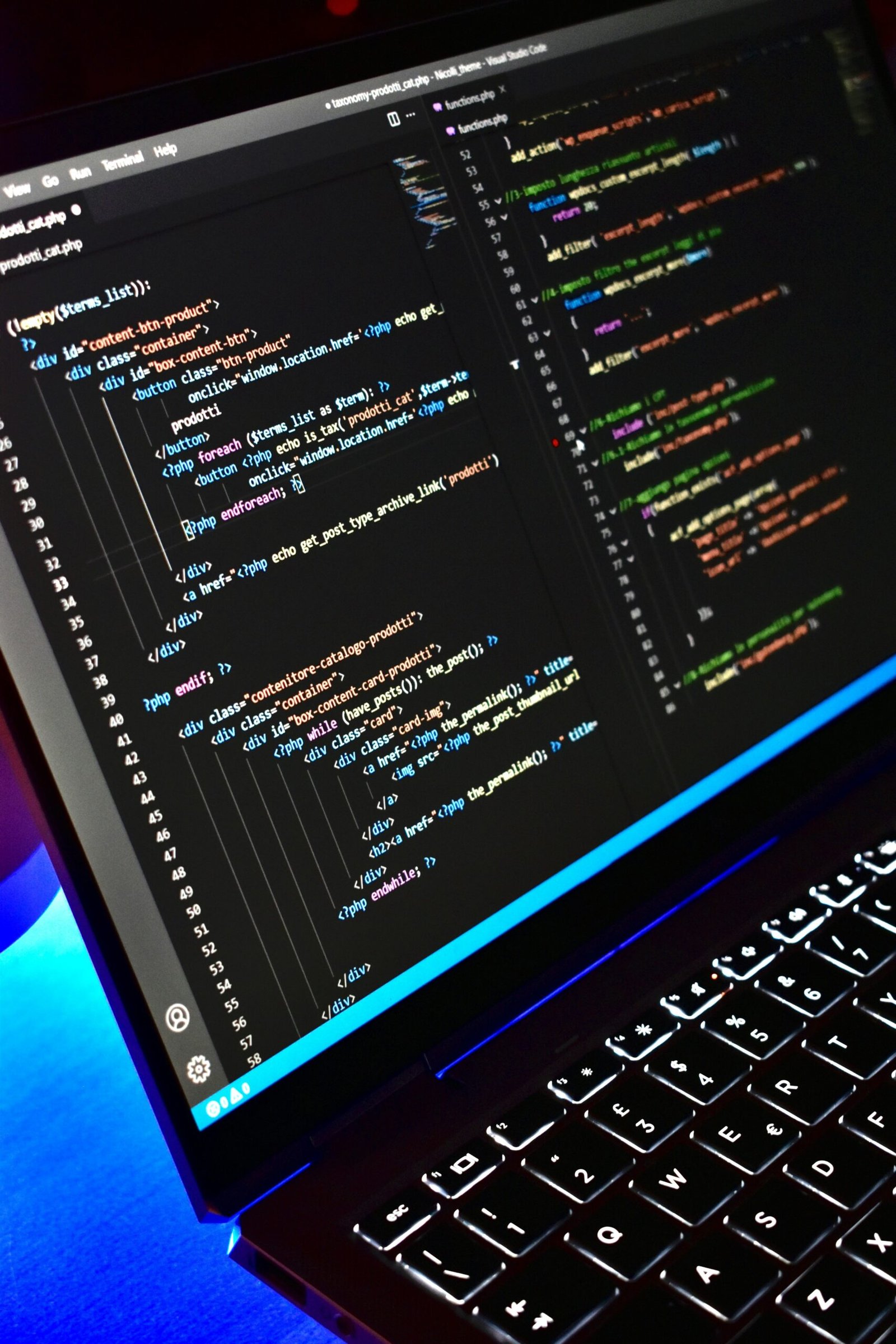
First and foremost, setting up a development environment is essential. This typically involves installing a code editor such as Visual Studio Code or Sublime Text, along with version control tools like Git. These tools enable developers to write code efficiently, manage project changes, and collaborate with others. Platforms like GitHub or GitLab can further enhance collaboration and provide a space to showcase projects.
More
Next, choosing a technology stack to learn is crucial. Full stack development encompasses both front-end and back-end technologies. Common front-end frameworks include React, Angular, and Vue.js, while back-end technologies might involve Node.js, Django, or Ruby on Rails. Beginners may benefit from selecting a stack that aligns with their interests or career goals, as this focus can enhance motivation and learning efficiency.
There are a plethora of resources available to help novices get started. Online courses, tutorials, and coding bootcamps provide structured learning paths tailored for beginners. Websites like Codecademy, Udemy, and freeCodeCamp offer comprehensive curricula that cover various programming languages, frameworks, and best practices in full stack development. Joining online communities on platforms such as Stack Overflow, Reddit, or Discord can also foster a sense of belonging and provide valuable guidance and support.
Lastly, practical experience is key to mastering full stack development. Beginners are encouraged to start small projects that combine both front-end and back-end components. Whether it’s a simple blog platform or a personal portfolio website, these projects serve as excellent opportunities to apply learned concepts and build a strong foundational skill set. Engaging with real-world problems will not only reinforce acquired knowledge but also prepare learners for future challenges in the tech industry.
Common Challenges and How to Overcome Them
Embarking on a journey into full stack development can be daunting for beginners, primarily due to the overwhelming amount of information available. The breadth of knowledge required covers both front-end and back-end technologies, languages, and frameworks, which can lead to confusion and frustration. One way to combat this is through effective time management. Beginners should create a structured learning schedule that prioritizes specific topics and chapters over a defined timeframe. This approach makes the information more digestible and allows learners to focus on mastering one concept before moving onto the next.
Troubleshooting errors represents another significant challenge among aspiring full stack developers. Encountering bugs and issues when coding can be disheartening, often leading to a sense of inadequacy. To overcome this barrier, beginners should embrace troubleshooting as an essential part of the learning process. Fostering a mindset that views errors as opportunities for growth is critical. Engaging in research, utilizing debugging tools, and reviewing documentation can significantly aid in identifying and resolving issues efficiently. Furthermore, participating in online forums and coding communities can provide not only solutions to specific problems but also emotional support from fellow developers.
Conclusion
Finally, maintaining motivation throughout the learning process is crucial. It is natural for beginners to experience fluctuating enthusiasm levels. Setting achievable milestones and celebrating small victories can help sustain motivation. Practical application of skills through personal projects or contributions to open-source initiatives can also reignite passion and provide a sense of accomplishment. By establishing a balanced routine, seeking assistance from online communities, and breaking down complex tasks into manageable steps, beginners can cultivate persistence and resilience in their full stack development journey.
Read Our Latest Blog
How to Build a Basic Chatbot Using Python
Phone Number: +91-7488456170
Email ID: abhishek@eepl.me
Our Platforms:
Digilearn Cloud
EEPL Test
Live Emancipation
Follow Us on Social Media:
Instagram – EEPL Classroom
Facebook – EEPL Classroom
Stay connected and keep learning with EEPL Classroom !