


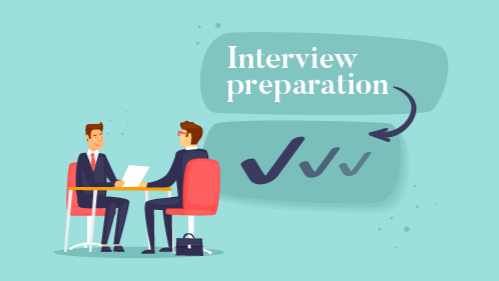
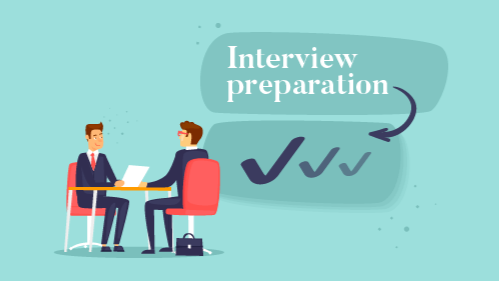
Technical interviews are designed to evaluate practical skills, logical thinking, and problem-solving ability, not just theoretical knowledge. Employers want to understand how you approach challenges and apply what you know in real situations.
1. Revise Fundamentals
Strong basics are essential. Focus on:
- Programming concepts (variables, loops, functions, OOP basics)
- DBMS concepts like normalization, queries, and relationships
- Data Structures such as arrays, linked lists, stacks, and queues
Interview questions often start from fundamentals and then move to application.
2. Practice Coding Regularly
Problem-solving improves with practice. Work on:
- Logical puzzles
- Small coding tasks
- Writing clean and structured code
Regular practice helps you think faster and reduces nervousness during interviews.
3. Know Your Projects Well
Interviewers frequently ask about academic or personal projects. Be ready to clearly explain:
- Your role in the project
- Technologies used
- Problems or challenges faced
- How you solved them
Projects prove your hands-on ability, which matters more than theoretical answers.
4. Think Aloud While Solving
When given a problem, explain your thought process. Interviewers want to see:
- How you break down the problem
- Your logic and decision-making
- Whether you can structure a solution step by step
Even if the final answer is not perfect, a clear approach creates a positive impression.
5. Be Honest
If you don’t know an answer, say it politely and show willingness to learn. Guessing or giving incorrect information confidently can reduce credibility.
Final Tip
In technical interviews, confidence, clarity, and logical thinking matter more than memorized answers. Show that you can learn, adapt, and solve problems — that is what companies truly value.
For More Information and Updates, Connect With Us
- Name: Abhishek Kumar
- Phone Number: +91-7488456170
- Email ID: teamemancipation@gmail.com
- Our Platforms:
- Digilearn Cloud
- EEPL Test
- Live Emancipation
- Follow Us on Social Media:
- Instagram – EEPL Classroom
- Facebook – EEPL Classroom