



Understanding Open Source
Open source refers to a broad term that describes software whose source code is made available to the public, allowing anyone to inspect, modify, and enhance it. This principle fosters collaborative development and innovation within various software projects. Unlike proprietary software, which restricts access to its source code and limits user modifications, open source software encourages transparency and community participation. This accessibility allows a diverse range of contributors to improve the software, facilitating a dynamic environment for growth and evolution.
The benefits of contributing to open source projects are manifold. For developers, engagement in these initiatives provides opportunities to enhance their programming skills, collaborate with more experienced programmers, and learn from real-world software development practices. Moreover, active participation can enrich one’s professional portfolio, showcasing an individual’s ability to work effectively in teams and navigate complex software environments. For the community, contributors help to sustain projects that may not have adequate funding or full-time support, thus ensuring that valuable software remains available and functional.
Community is paramount in the open source ecosystem. It cultivates an environment where developers and users can share knowledge, receive support, and collectively address issues. Key concepts such as licensing dictate how software can be used and redistributed, playing a crucial role in open source projects. Version control systems, such as Git, help manage changes and maintain project history, facilitating efficient collaboration. The process of collaboration itself is essential, as it brings together diverse perspectives and expertise, leading to innovative solutions and improvements in software quality. Understanding these foundational elements allows individuals to navigate and contribute effectively to the open source landscape.
Finding the Right Project to Contribute To
Choosing the right open source project is a crucial step for any beginner looking to get involved in contributing to open source software. Platforms such as GitHub, GitLab, and Bitbucket serve as repositories for a vast array of open source projects. To begin your journey, explore these platforms to discover projects that resonate with your interests and skillset. Engaging with projects in areas you are passionate about will enhance your motivation and provide a more fulfilling experience.
When searching for beginner-friendly projects, consider using tags such as “good first issue” or “beginner-friendly” which are often designated for tasks suited to newcomers. Such issues are curated with the intention of guiding less experienced contributors, making it easier for them to get started. Browsing the project’s repository can reveal the level of documentation available, which is an essential factor. Comprehensive documentation indicates a willingness of maintainers to support newcomers, which can be invaluable when you’re starting.
Understanding contribution guidelines is another key aspect. Most projects will have a CONTRIBUTING.md file which details how to contribute effectively and the standards expected by the project maintainers. Familiarizing yourself with these guidelines will not only ensure that your contributions are helpful, but also that they fit within the project’s framework and community standards. Moreover, actively engaging with the community can lead to a better grasp of project dynamics and foster relationships with other developers. Joining discussions, participating in forums, or following the project’s communication channels can enhance your understanding and integration into the community.
Ultimately, finding the right project is about aligning your interests with the needs of the open source community, creating a synergistic relationship that benefits both you and the project you choose to join.
Making Your First Contribution
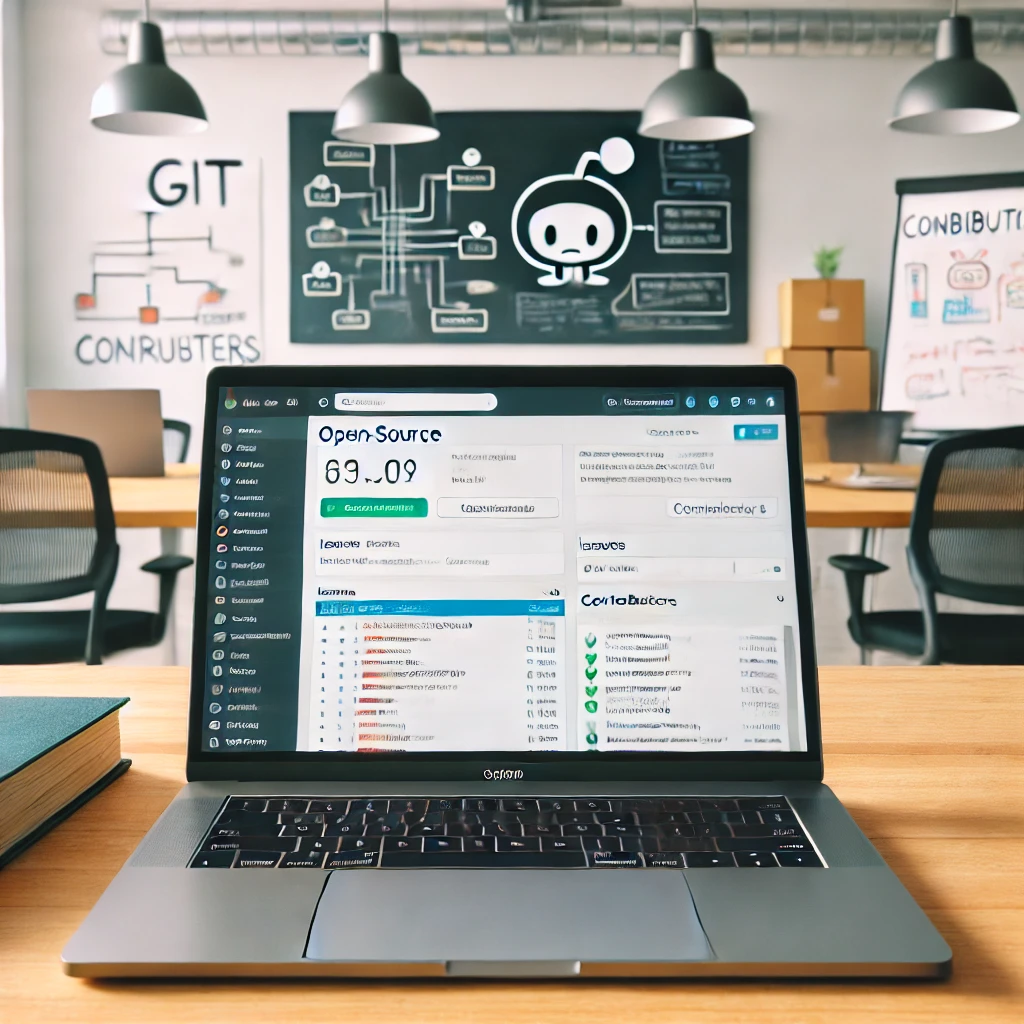
Embarking on the journey of contributing to open source projects can be an enriching experience. For beginners, the process begins by identifying a project that aligns with their interests or skillset. Once a suitable repository is found, the first step is to fork the repository. This action creates a personal copy of the project under the user’s GitHub account, allowing them to make modifications without affecting the original repository.
Next, the repository must be cloned to a local machine. This is accomplished by using the command line. Open the terminal and execute the command: git clone [repository-url]. This command downloads the entire repository, enabling local access and edits. It’s crucial to check out the relevant branch, typically the main or development branch, to work on the most current version.
After successfully cloning the repository, the contributor should make their desired changes. Whether it’s fixing a bug, implementing a new feature, or improving documentation, it is advisable to make incremental commits and write clear, descriptive commit messages. This clarity helps maintainers and other contributors understand the nature of the changes.
Once the modifications are complete, it’s time to submit a pull request (PR). This is the mechanism by which contributors propose their changes to the original repository. To do this, push the changes back to the forked repository on GitHub, then navigate to the original repository to initiate a PR. It is essential to provide a thorough description of the changes made, referencing any relevant issues.
Throughout this process, maintain proper etiquette. Engage constructively with project maintainers and fellow contributors by respecting their feedback and collaborating positively. Avoid common pitfalls such as excessive or irrelevant changes and failing to adhere to the project’s contribution guidelines. This approach enhances the likelihood of a successful first contribution.
Growing as an Open Source Contributor
Becoming a successful open source contributor is a journey that requires ongoing commitment and effort. Beginners can enhance their contribution skills over time through various strategies that promote engagement and foster improvement. A crucial first step is to stay actively involved in the open source community. This can be achieved by joining relevant forums, mailing lists, and social media groups where discussions about projects occur frequently. Engaging in conversations with experienced contributors can provide valuable insights and support.
Seeking feedback is another essential practice for budding open source contributors. By openly requesting critiques on their contributions, beginners can identify areas for improvement and adjust their approach accordingly. Many projects encourage this feedback loop, as it not only helps individual contributors grow but also strengthens the overall quality of the project. Additionally, contributing to documentation and writing tutorials for new users can enhance one’s understanding of the project’s framework and intricacies, positioning the contributor as an invaluable resource for the community.
As contributors develop their skills and understanding, they should consider taking on more complex tasks within the project. This could involve tackling challenging issues, working on advanced features, or even leading project initiatives. Taking on greater responsibilities not only broadens your expertise but also showcases your commitment to the project, which can be beneficial for future opportunities.
Conclusion
Another effective strategy for growth is to cultivate a personal portfolio of contributions. Tracking your contributions across various projects can demonstrate your evolving skill set and commitment to open source development. Highlighting these experiences on professional platforms can also open new career opportunities. Employers often value candidates with real-world coding experience and community involvement. Ultimately, the skills and relationships cultivated through open source contributions can significantly impact one’s professional trajectory in the tech industry.
Read Our Latest Blog
How to Become an Ethical Hacker After BCA?
Phone Number: +91-7488456170
Email ID: abhishek@eepl.me
Our Platforms:
Digilearn Cloud
EEPL Test
Live Emancipation
Follow Us on Social Media:
Instagram – EEPL Classroom
Facebook – EEPL Classroom
Stay connected and keep learning with EEPL Classroom !