

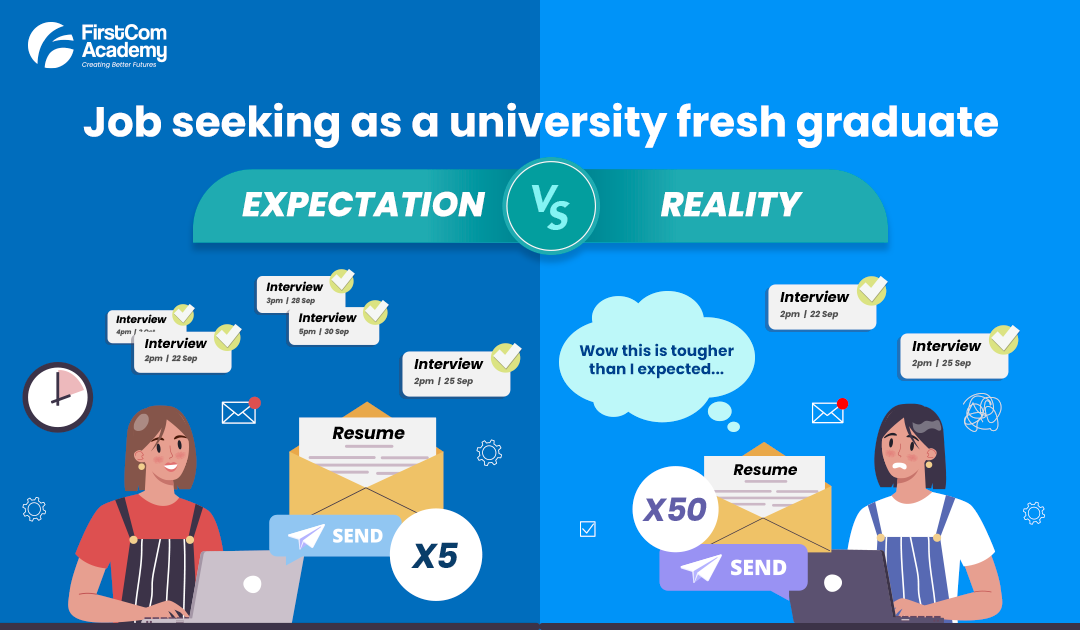

Before graduation, many students imagine their careers as linear and predictable. They believe that earning a degree will naturally lead to a stable job, steady growth, and long-term success. However, once students step into the professional world, they quickly realize that careers rarely follow a straight path. Instead, professional life is full of unexpected challenges, learning curves, and adjustments that college rarely prepares them for.
Degrees Alone Do Not Guarantee Jobs
To begin with, one of the most important lessons graduates learn is that a degree alone does not guarantee employment. While academic qualifications help open doors, they are no longer enough in a highly competitive job market. Employers increasingly prioritize practical skills, problem-solving abilities, communication, and a willingness to learn.
As a result, many graduates feel unprepared during interviews and early work experiences. They may struggle to apply theoretical knowledge to real-world situations. This gap highlights the importance of internships, projects, certifications, and hands-on learning alongside formal education. Students who actively build skills during college often adapt more easily after graduation.
The First Job Is Rarely Perfect
Secondly, students discover that their first job is rarely what they imagined. It may involve long hours, repetitive tasks, limited pay, or high pressure. Some graduates may even feel disappointed or question their career choices during this phase.
However, this initial stage plays a crucial role in shaping professional habits. First jobs teach valuable lessons about discipline, teamwork, time management, and workplace communication. Even difficult experiences help graduates understand their preferences, strengths, and areas for improvement. Over time, these lessons become the foundation for future career decisions.
Career Growth Takes Time
Moreover, graduates learn that career growth is a gradual process. Promotions, recognition, and financial stability do not happen overnight. Many professionals spend years building experience before seeing significant progress.
This reality teaches patience and resilience. Those who focus on learning, accepting feedback, and improving their skills during the early stages of their careers often advance more steadily. Instead of chasing quick success, long-term growth depends on consistency and adaptability.
Careers Are Not Linear
Additionally, students realize that changing roles, industries, or even career paths is common. Many professionals explore multiple options before finding the right fit. Rather than being a sign of failure, these shifts often reflect growth and self-awareness.
Understanding that careers evolve helps graduates reduce anxiety and remain open to new opportunities.
Conclusion
In conclusion, life after graduation teaches students that careers are built through skills, patience, adaptability, and continuous learning—not just academic achievements. Accepting this reality allows graduates to set realistic expectations, embrace challenges, and build stronger, more sustainable careers over time.
For More Information and Updates, Connect With Us
https://bcaclassesinranchi.in/career-focused-skill-building-for-college-students-in-ranchi/
- Name: Abhishek Kumar
- Phone Number: +91-7488456170
- Email ID: teamemancipation@gmail.com
- Our Platforms:
- Digilearn Cloud
- EEPL Test
- Live Emancipation
- Follow Us on Social Media:
- Instagram – EEPL Classroom
- Facebook – EEPL Classroom