



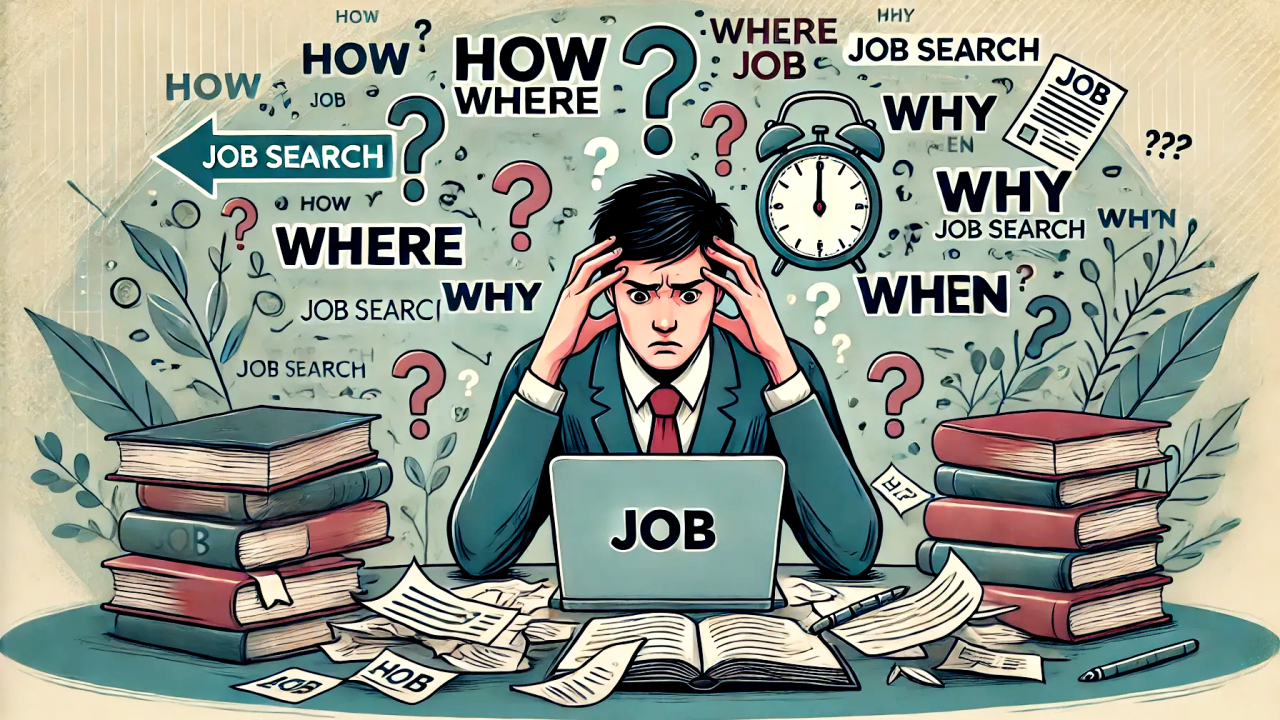

For many students, landing their first job feels like a major achievement. After years of studying, attending exams, and preparing for interviews, receiving that offer letter brings both excitement and relief. However, once the job actually begins, reality often feels very different. In fact, the first job is almost always challenging—and that is completely normal.
Understanding why first jobs feel difficult can help students manage expectations, reduce stress, and grow with greater confidence.
The Gap Between College and the Workplace
To begin with, one of the main reasons first jobs feel difficult is the gap between college education and real work environments. Colleges largely focus on theory, exams, and assignments. In contrast, workplaces demand practical application, speed, responsibility, teamwork, and decision-making.
As a result, freshers often feel unprepared. Tasks seem unfamiliar, expectations appear unclear, and pressure builds quickly. However, this does not mean the student is incapable. Rather, it simply means the environment is new and requires adjustment.
Adjusting to Professional Responsibility
Furthermore, professional responsibility increases suddenly in the workplace. In college, mistakes usually have limited consequences. In a job, however, errors can affect teams, deadlines, and even clients. Because of this, the responsibility can feel overwhelming at first.
At the same time, freshers are expected to manage time effectively, communicate professionally, and meet expectations with less supervision. Naturally, learning to handle responsibility takes time, and initial discomfort is an essential part of growth.
Learning Workplace Communication
Another important challenge in first jobs is communication. Professional communication differs greatly from classroom interactions. Emails, meetings, reporting, and collaboration require clarity, confidence, and professionalism.
Consequently, many freshers struggle to express ideas, ask questions, or provide updates. Over time, however, as they observe colleagues and practice daily communication, their confidence steadily improves.
Handling Pressure and Feedback
In addition, first jobs often come with pressure to perform well. Freshers want to prove themselves, which can lead to stress and self-doubt. Moreover, feedback—especially criticism—may feel discouraging in the beginning.
Nevertheless, feedback is essential for improvement. Gradually, learning to accept guidance without taking it personally becomes a valuable professional skill.
Understanding That Difficulty Is Part of Growth
Most importantly, first jobs are not meant to be easy. Instead, they are learning phases designed to build experience. In fact, every professional you admire once faced similar struggles in their first role.
Therefore, the discomfort, confusion, and challenges experienced early on help develop resilience, skills, and confidence over time.
Conclusion
In conclusion, first jobs are difficult because they introduce students to real responsibility, real expectations, and real learning. Struggling at the beginning does not indicate failure; rather, it signals growth.
With patience, openness to learning, and consistent effort, the first job gradually becomes the foundation for a strong, confident, and successful career.
https://bcaclassesinranchi.in/career-focused-skill-building-for-college-students-in-ranchi/
For More Information and Updates, Connect With Us
- Name: Abhishek Kumar
- Phone Number: +91-7488456170
- Email ID: teamemancipation@gmail.com
- Our Platforms:
- Digilearn Cloud
- EEPL Test
- Live Emancipation
- Follow Us on Social Media:
- Instagram – EEPL Classroom
- Facebook – EEPL Classroom