

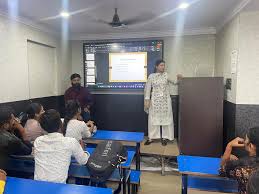
For many students, college life creates the belief that graduation will automatically lead to a stable and successful career. However, the reality after college is often very different. Every year, thousands of graduates feel confused, stressed, and unsure about their future—not because they lack education, but because they lack clarity, skills, and real-world understanding.
This pillar blog explores the key career realities students must understand to move from confusion to confidence and build a meaningful professional life.
Why Students Feel Lost After Graduation
Graduation is often celebrated as a major achievement. However, once college ends, many students feel directionless. During college, life follows a structured routine with classes, exams, deadlines, and guidance from teachers. After graduation, that structure suddenly disappears.
As a result, students are expected to make major career decisions without a clear roadmap. This sudden independence creates confusion and anxiety, especially when students are unsure about career paths, job roles, or industry expectations.
Moreover, limited career guidance during college adds to the problem. Many students graduate without understanding how their education connects to real jobs.
The Career Advice Students Wish They Had Earlier
One of the most common regrets among professionals is not receiving the right career advice early in life. Students are often told that a degree guarantees success, but real-world experience proves otherwise.
While degrees are important, they do not automatically lead to employment. Skills, adaptability, attitude, and continuous learning play a much bigger role. Another key lesson students wish they knew earlier is that careers are not linear. Changing paths is normal and often necessary.
Additionally, rushing into jobs only for salary without considering learning opportunities can limit long-term growth. Skill-building creates sustainable careers, not quick decisions.
What No One Tells Students About Careers
Careers are rarely smooth journeys. Your first job is often stressful, underpaid, and demanding. However, it provides valuable exposure and learning that textbooks cannot.
Career growth also takes time. Promotions, recognition, and stability do not happen overnight. Students who expect instant success often feel disappointed. Furthermore, comparing careers—especially on social media—creates unrealistic expectations and unnecessary pressure.
Understanding these hidden realities helps students stay patient and motivated during difficult phases.
Why Hard Work Alone Is Not Enough Today
Hard work is important, but in today’s competitive world, it is not enough by itself. Effort without direction often leads to burnout. Students may work hard but fail to see results because they are focusing on outdated or irrelevant skills.
Industries evolve rapidly, and skills must evolve with them. Employers value problem-solving ability, communication, adaptability, and technical skills alongside effort. Therefore, smart learning combined with hard work creates real impact.
The Biggest Career Myths Students Still Believe
Many students unknowingly follow career myths that create stress and unrealistic expectations. One common myth is that a degree guarantees a job. In reality, employers prioritize skills and experience.
Another myth is that career decisions are permanent. Career paths change with time, learning, and exposure. Students also believe success comes quickly, but real success usually takes years of consistent effort.
Breaking these myths allows students to make better and less stressful career decisions.
Why Learning Never Stops After College
Many students assume learning ends after graduation. However, industries, tools, and technologies constantly change. Professionals who stop learning risk becoming irrelevant.
Lifelong learners adapt faster, access better opportunities, and grow consistently. Continuous learning is no longer optional—it is essential for long-term career success.
How One Skill Can Change Your Career Direction
Sometimes, a single skill can completely change a career path. Learning programming, communication, digital marketing, or data skills can open unexpected opportunities.
As confidence grows, students explore roles they never considered before. Over time, one skill often leads to multiple career options. Starting small can create big change.
Conclusion
The transition from college to career is not easy, but it becomes manageable with the right mindset. Understanding career realities, focusing on skills, staying adaptable, and committing to lifelong learning can turn confusion into confidence.
Graduation is not the end—it is the beginning of informed career building.https://bcaclassesinranchi.in/career-focused-skill-building-for-college-students-in-ranchi/
For More Information and Updates, Connect With Us
- Name: Abhishek Kumar
- Phone Number: +91-7488456170
- Email ID: teamemancipation@gmail.com
- Our Platforms:
- Digilearn Cloud
- EEPL Test
- Live Emancipation
- Follow Us on Social Media:
- Instagram – EEPL Classroom
- Facebook – EEPL Classroom