




Introduction
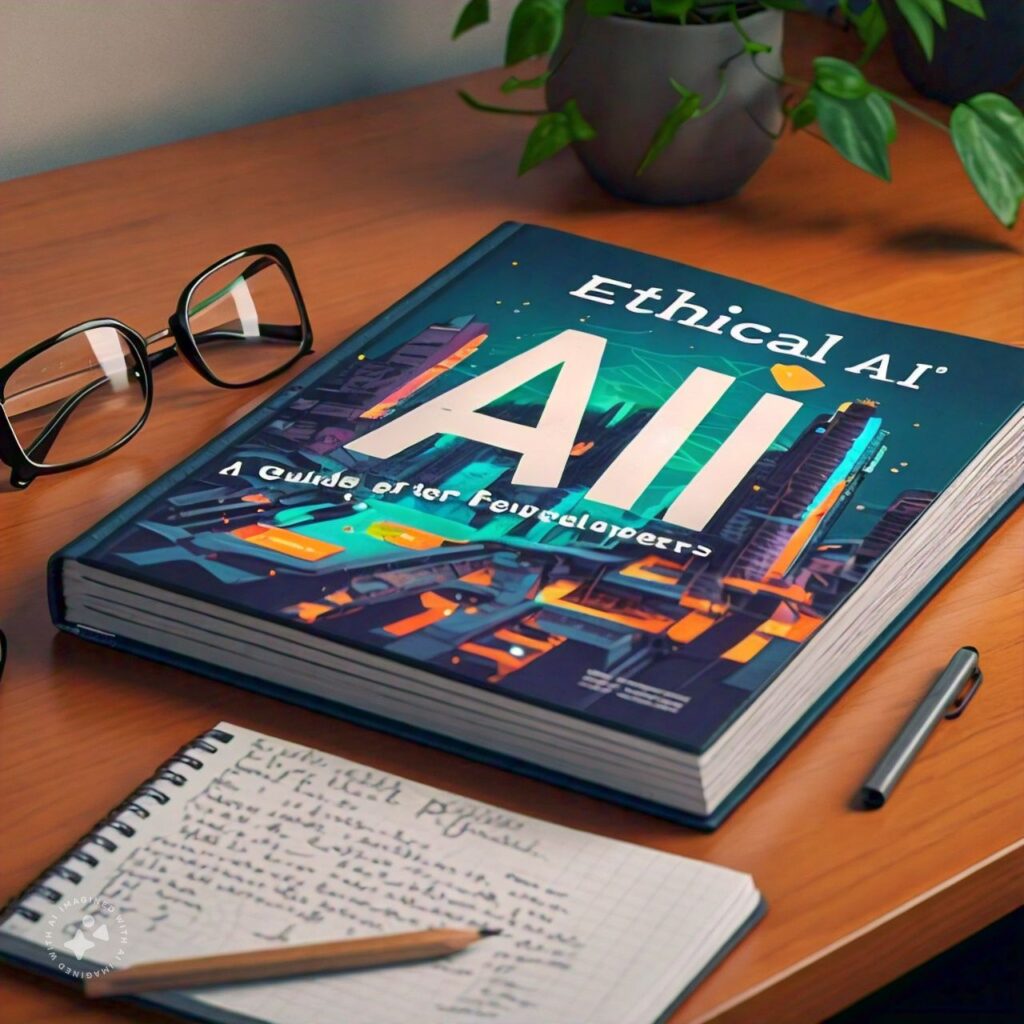
As AI technology advances, it is essential to understand the ethical concerns surrounding its development. Developers have a responsibility to ensure that AI benefits society. Here’s a detailed guide on how to approach ethical AI.
1. What is Ethical AI?
- Ethical AI refers to developing AI systems that prioritize fairness, transparency, and accountability.
- It ensures AI decisions are aligned with human values and do not harm individuals or communities.
2. Why is Ethical AI Important?
- AI systems can unintentionally reinforce biases. Without ethics, they could perpetuate inequality.
- Unethical AI can lead to privacy violations, job displacement, and other societal issues.
- Ethical AI promotes trust and ensures AI can be used responsibly.
3. Key Principles of Ethical AI
- Fairness: AI should treat all individuals equally, without discrimination based on race, gender, or other factors.
- Transparency: Developers should make AI models understandable. Users need to know how decisions are made.
- Accountability: Developers and organizations should take responsibility for AI outcomes. There must be mechanisms for redress.
- Privacy Protection: AI systems should protect user data and ensure privacy.
4. Identifying Bias in AI
- AI models can inherit biases from training data. It’s essential to analyze and mitigate these biases.
- Developers should use diverse datasets to train models, ensuring they are representative of all groups.
- Regular audits of AI systems help detect and correct biases before deployment.
5. Building Transparent AI Models
- Use interpretable models. Avoid black-box models that users can’t understand.
- Explainable AI (XAI) helps both developers and users understand how decisions are made.
- Transparency fosters trust and allows for better decision-making.
6. Ensuring Privacy in AI Development
- Use encryption techniques to protect sensitive data.
- Implement data anonymization to safeguard user information.
- Follow regulations like GDPR to ensure compliance with privacy laws.
7. Ethical AI in Practice: Real-World Examples
- Facial Recognition: Ethical concerns arise around privacy and surveillance. Developers should avoid using this technology in situations where it could harm individuals.
- Hiring Algorithms: AI in hiring should not discriminate. It’s crucial to design models that focus on skills and qualifications, not biased factors like gender or ethnicity.
8. AI and Accountability
- Developers must be clear about who is responsible for AI’s actions.
- It’s essential to have clear guidelines for AI deployment and usage.
- In case of mistakes, AI systems should allow for correction and compensation.
9. The Role of Developers in Ethical AI
- Developers play a crucial role in ensuring AI is ethical. They must integrate ethical principles into the design and development process.
- Developers should continuously update their knowledge about ethical practices and regulations.
- Collaboration with ethicists and policymakers is vital to create balanced solutions.
10. Future of Ethical AI
- As AI evolves, ethical standards must evolve too. Developers must stay ahead of emerging challenges.
- Ethical AI will become more important as AI systems are used in sensitive areas like healthcare, law, and security.
- The future of AI should focus on creating technology that enhances human well-being.
Conclusion
Ethical AI is essential for ensuring that artificial intelligence benefits society without causing harm. As developers, it’s your responsibility to create AI that is fair, transparent, and accountable. By following ethical principles, you can contribute to a positive future where AI helps solve real-world problems while respecting human rights.
Read Our Latest Blog
Master Full-Stack Web Development: Top Trends and Tools You Need to Know
For More Information and Updates, Connect With Us
Name Abhishek
Phone Number: +91-7488456170
Email ID: abhishek@eepl.me
Our Platforms:
Digilearn Cloud
EEPL Test
Live Emancipation
Follow Us on Social Media:
Instagram – EEPL Classroom
Facebook – EEPL Classroom
Stay connected and keep learning with EEPL Classroom!